
History & Heritage
This land remembers. Long before it was ours to steward, it was a respected Standardbred farm, and that history is not decorative. It is the foundation of everything we do.
What follows is not a museum exhibit. It is a lineage, the Bayless family, Maplehurst Stock Farm, Warren Adams Bacon Jr., Jay Bird, and the bloodlines that still run quietly beneath the farm today.
Where the farm’s identity began.
The property carries deep roots in the original Bayless family horse farm and its Standardbred racing heritage. This is where the land’s identity as a horse farm was established, and where its place in harness racing history began.
We tell this history the way it deserves to be told: personal and inherited, not academic. The Bayless era is the first chapter in a story of continuous stewardship that has never really stopped.
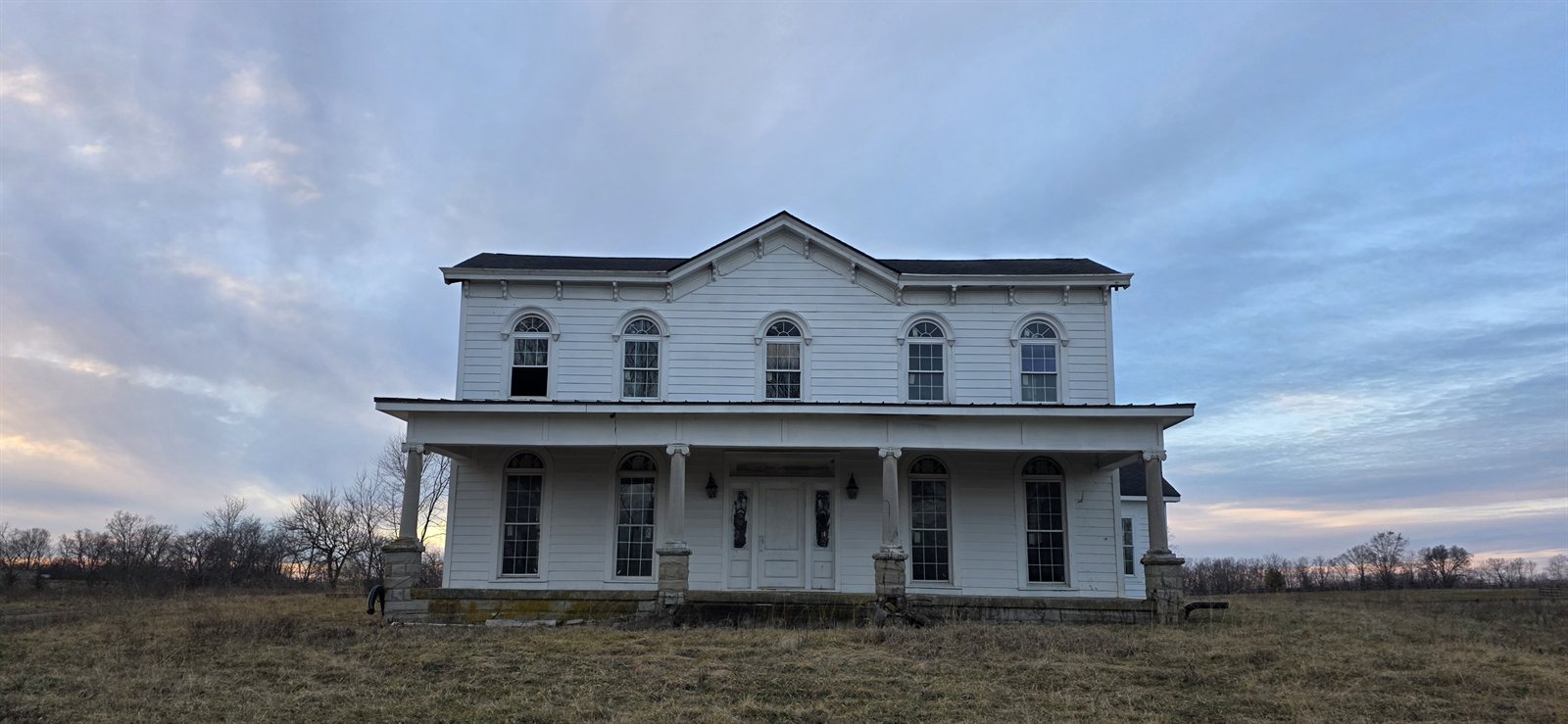
Warren Adams Bacon Jr.
In 1898 the property became Maplehurst Stock Farm under Warren Adams Bacon Jr., a figure in Standardbred breeding history. Under his hand the farm developed its reputation, and over the generations that followed it raised both Standardbreds and Thoroughbreds.
The name Maplehurst Stock Farm still anchors the property’s identity. Today’s rescue mission, Mane Characters Equine Reserve & Retirement, exists to carry it forward, not to replace it.
A Standardbred whose influence outlived him.
Jay Bird is one of the emotional and historical anchors of the entire property. He was not just another racehorse, or just another stallion, and we don’t treat him as a trivia point.
He carried real significance within Standardbred history, a breeding influence whose mark ran through the bloodlines that shaped this farm. His legacy is inseparable from the land he stood on. From him comes the phrase the farm has never let go of:
He didn’t just race here. He stayed.
This is what turns historical association into physical continuity:
Jay Bird stood stud on this property, shaping bloodlines from the same ground we work today.
He lived here, part of the daily life of the farm through his years.
He died here, on the land that carried his name forward.
And he was buried here, his resting place becoming part of the property’s permanent identity.
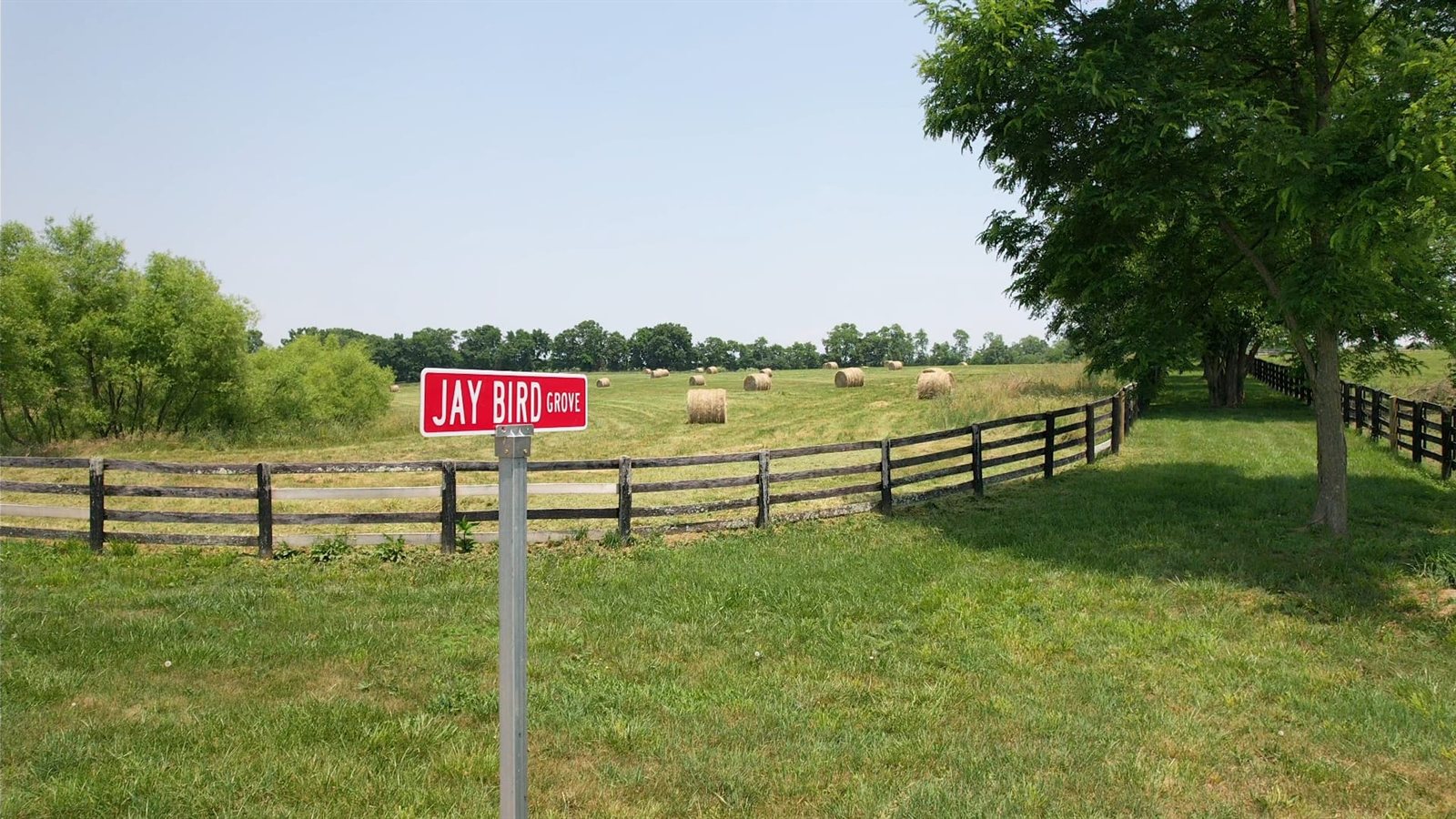
History, made tangible again.
For a long time, Jay Bird’s resting place was lost to memory. One of the defining moments in the property’s modern history was its rediscovery, a marble marker, quietly returned to the record.
We don’t tell this dramatically or theatrically. We tell it quietly, because that’s how it felt: the realization that the horses of the past are still part of the farm’s identity today. Abstract history became physical, present, and ours to protect.
Few farms can say this.
Most horse farms can talk about facilities, services, and training. Very few can talk about generations of equine continuity on the same land, rediscovered lineage, preserved resting places, inherited stewardship. That continuity, from the historic horses to the horses here now, is one of the things that makes this place what it is.